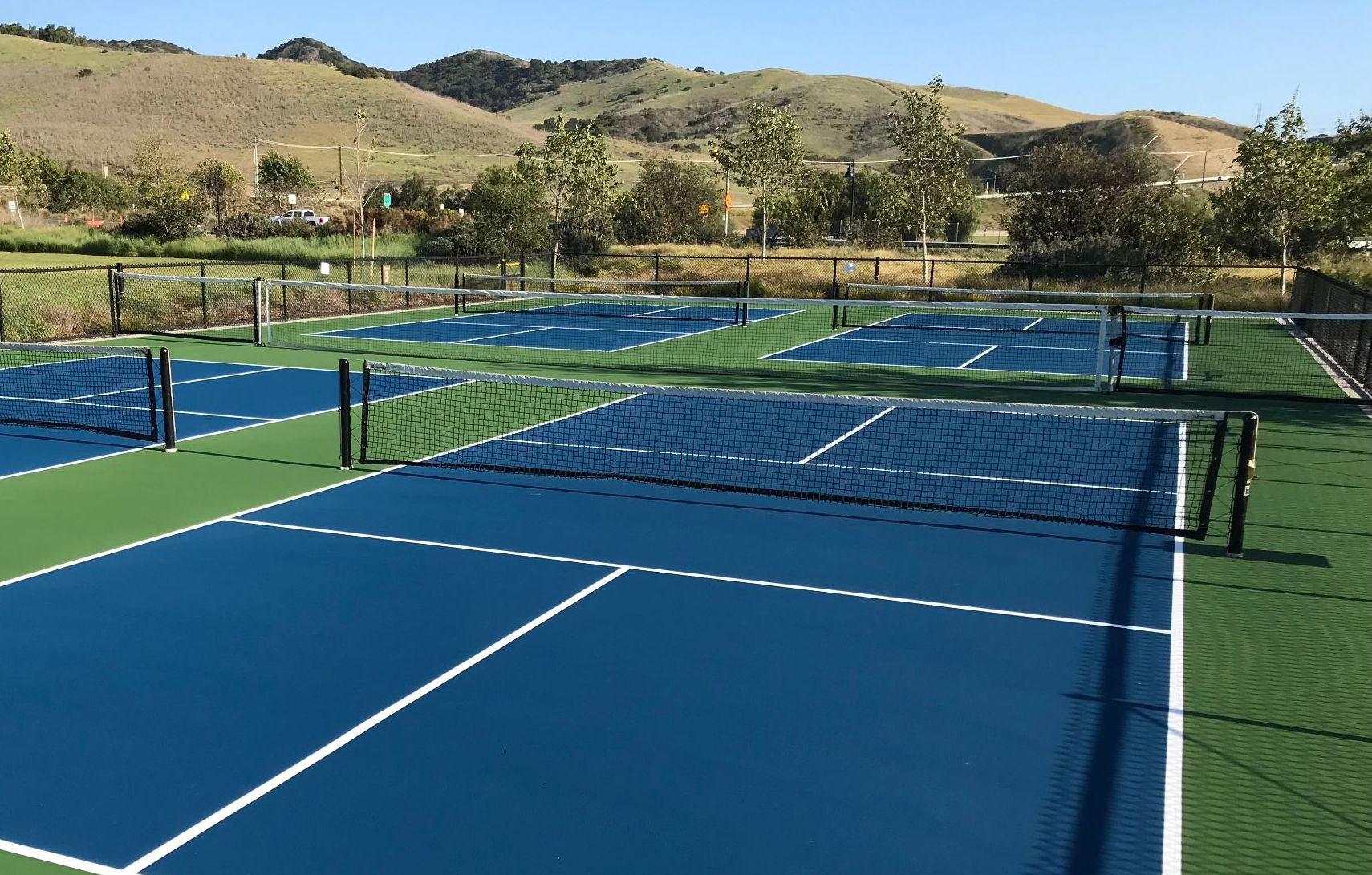
Pickleball court construction
Regulation 30 by 60 layouts and compact recreational sizes, textured acrylic or tile, wind-rated net posts and tournament striping.
Utah Sport Court Builder is a sport court builder in American Fork, Utah that designs, installs and resurfaces pickleball courts, basketball courts and multi-sport backyard courts for homes and businesses. Our team brings court construction to American Fork homeowners, whether you live in the older grid near Robinson Park or up in the newer benches climbing toward the mouth of American Fork Canyon.
Our American Fork work covers the whole build: elevation survey, subgrade testing, geotextile separation, compacted aggregate base, reinforced or post-tensioned slab, then cushioned acrylic or modular polypropylene tile with laser-set striping. Request a free written quote and every one of those steps shows up as a line item.
Bench lots on the north side of town carry cobble and river rock from old alluvial fans. That gravel is actually good news. It drains well and makes a stable base, but it is hard on excavation, so we bring the right bucket and plan for rock breaking instead of surprising you with an extra charge halfway through the dig.
Down near the flats by the Art Dye Park area and the streets off 700 North, the ground holds more moisture and the water table sits higher. There we build a raised pad with a deeper aggregate section and a drain line carried to the curb or a dry well. A properly drained base is the difference between a court that looks new in ten years and one that spiderwebs after three.
American Fork families often want one court that does everything. A 30 by 60 foot multi-sport pad handles pickleball, a full basketball key, and a volleyball setup with removable sleeves cast into the slab. We finish it with modular tile in two greens and a blue playing zone, so the lines stay readable and the surface stays cooler under an August sun.
Canyon traffic on weekends can snarl 1100 East, so we schedule deliveries early in the day and stage materials on your lot rather than the street. We also coordinate with your landscaper if sprinklers, sod or a retaining wall need to move. One point of contact keeps the project from stalling between trades.
We handle the full American Fork build: excavation, base, slab, surfacing, striping, net posts, adjustable hoops, fencing and LED lighting.
Regulation 30 by 60 layouts and compact recreational sizes, textured acrylic or tile, wind-rated net posts and tournament striping.
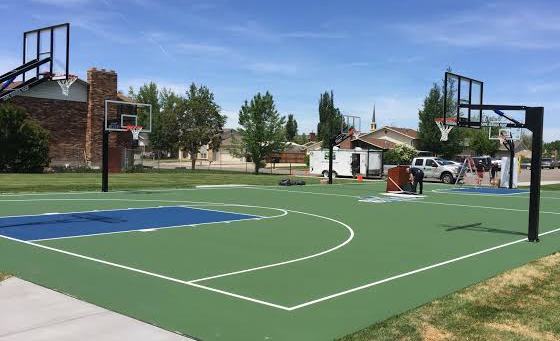
Half courts, full courts and driveway pads with adjustable goals on deep-set steel posts and scaled three-point arcs.
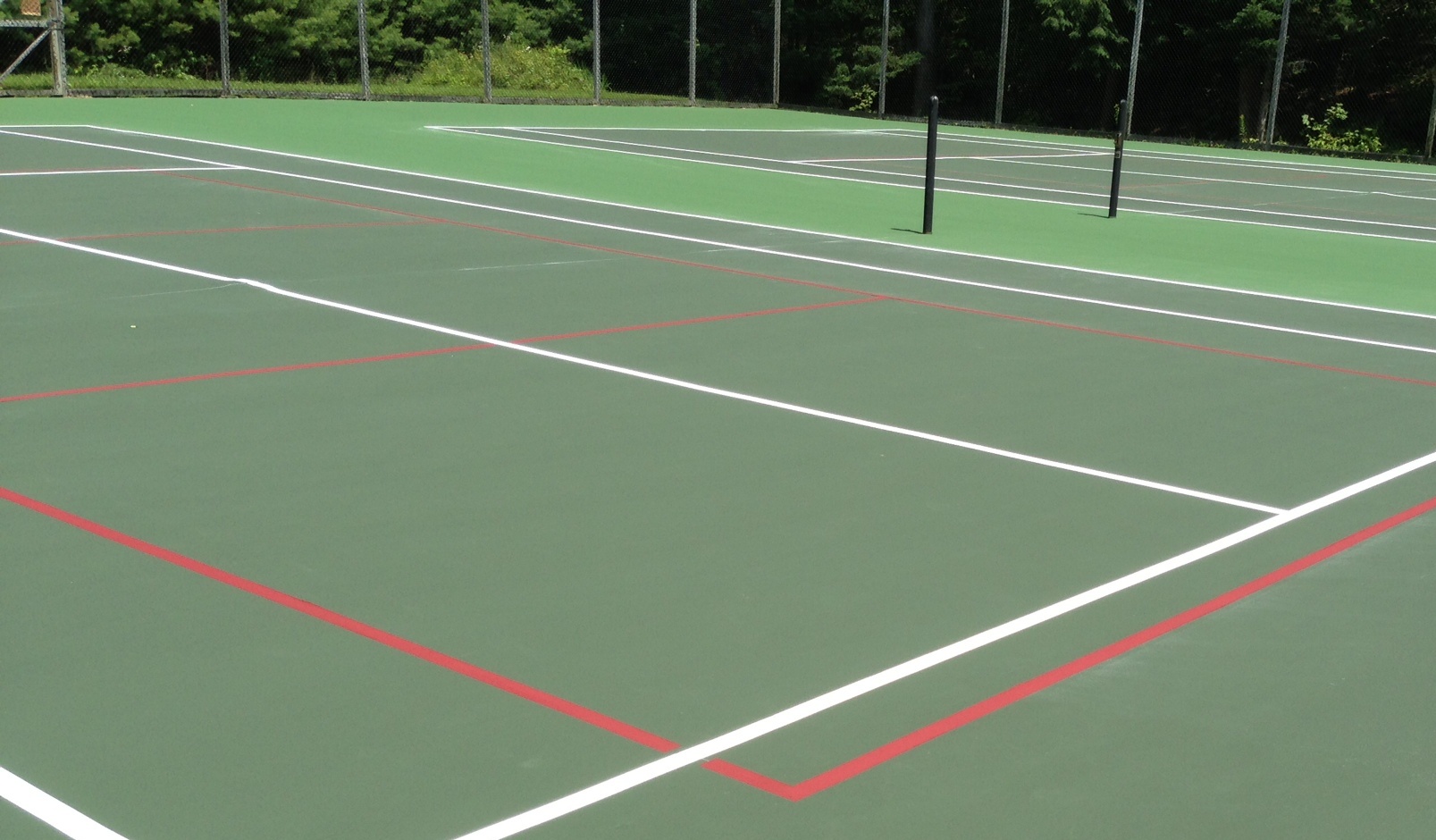
Regulation 60 by 120 pads, post-tensioned or reinforced slabs, acrylic color systems and deep-set net posts with wind reels.
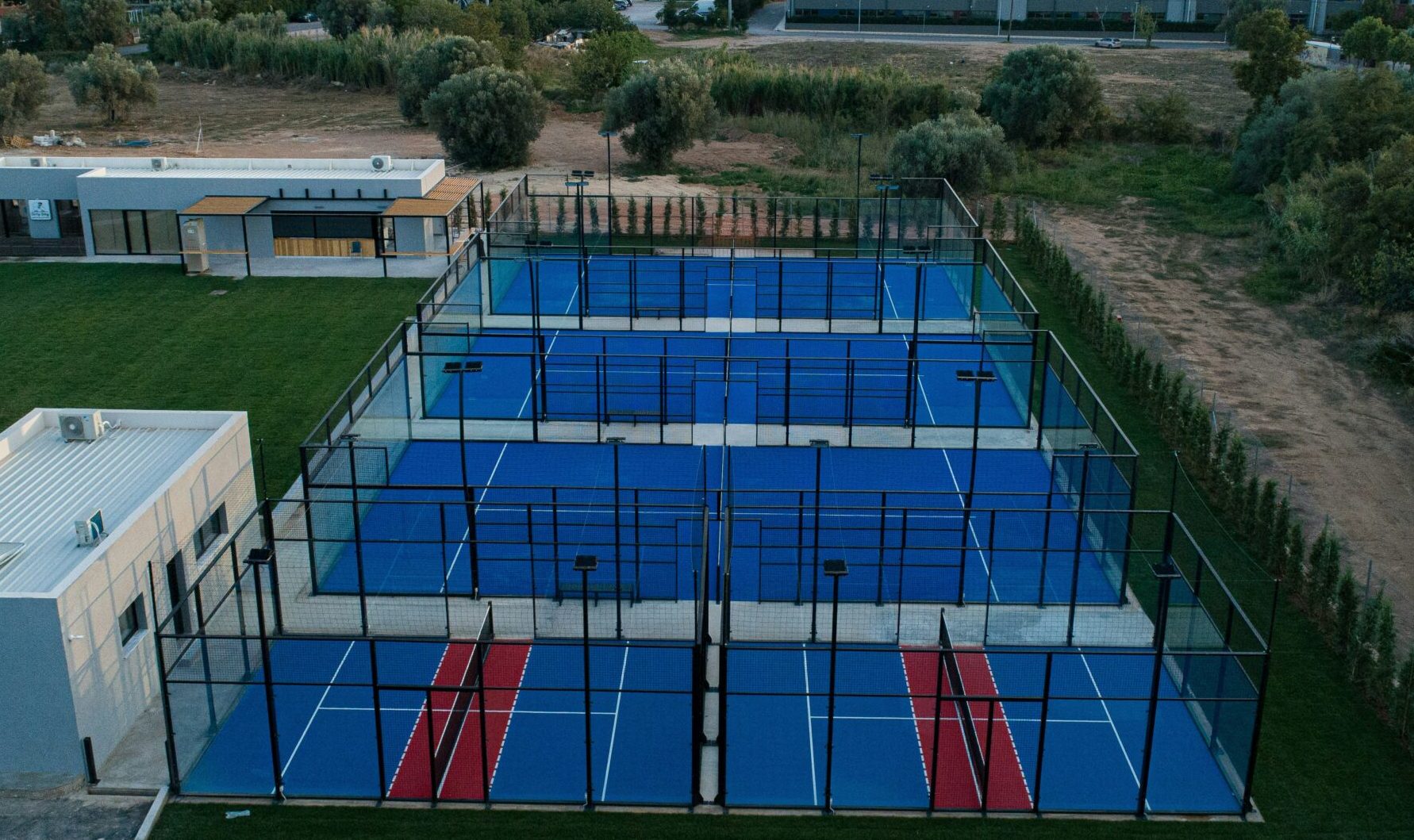
Regulation 20 by 10 meter enclosures with tempered glass walls, galvanized steel framing and sand-dressed turf on a dead-flat slab.
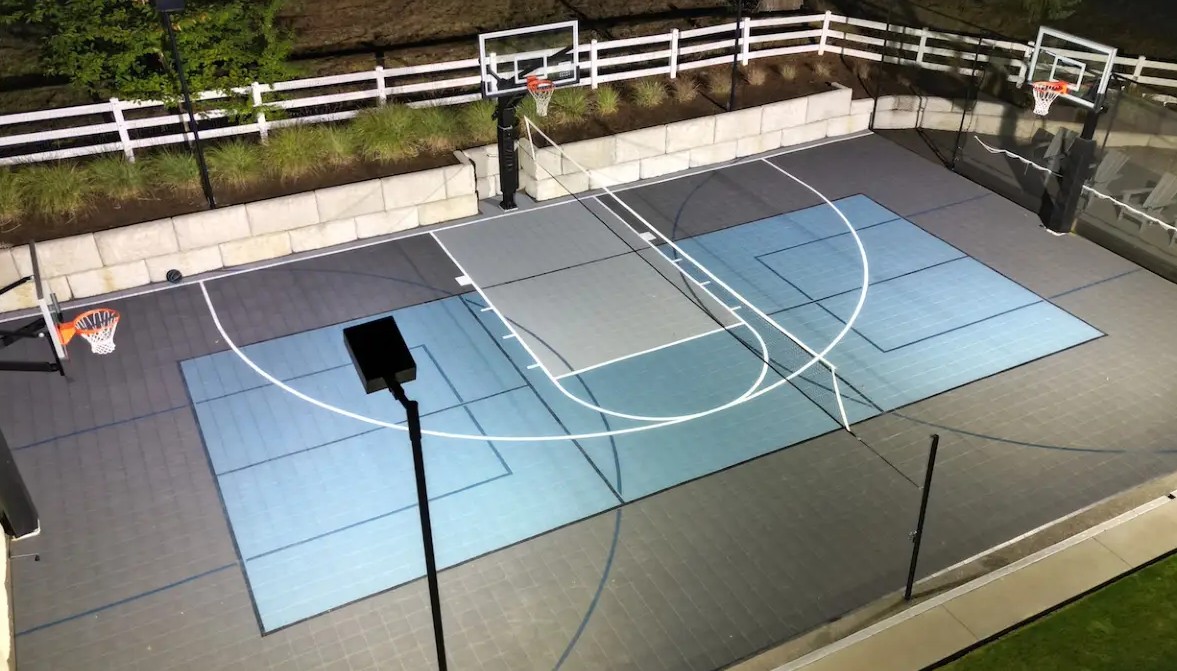
One pad striped for pickleball, basketball, volleyball and futsal, with flush cast-in sleeves for removable nets.
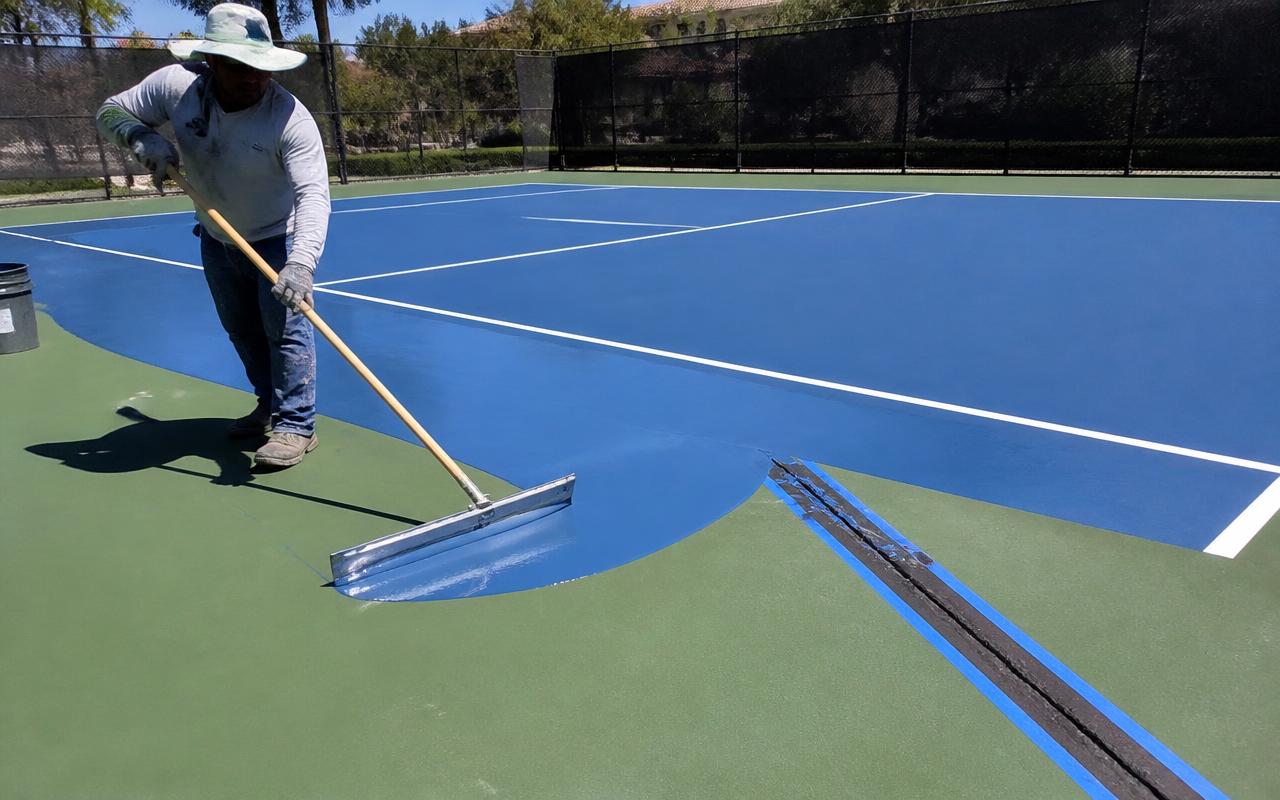
Crack routing, polymer patching, birdbath leveling, new acrylic color coats and fresh laser-set lines.
We price bench excavation honestly up front, cobble and all.
Cast-in sleeves and dual striping let one pad serve pickleball, hoops and volleyball.
We work with your landscaper and irrigation tech so the yard is finished, not half torn up.
North side lots toward the canyon carry cobble and gravel, while yards near the Highway 89 corridor are heavier clay. Each needs a different base depth, so we test before quoting rather than after.
Often yes. Older neighborhoods off Main Street have big shade trees, and roots under a slab cause heaving. We shift the pad, cut roots cleanly at a safe distance, or recommend modular tile where shade keeps a slab damp.
Most American Fork courts run $32,000 to $70,000. Older in-town lots often need more grading than newer subdivisions, and fencing or lighting moves the number up.
Multi-sport pads. Families want pickleball for the adults and a basketball key for the kids on one slab, which costs far less than building two separate courts.
Yes. We submit the site plan, setback details and any lighting or tall fence information, then schedule inspections so the build does not stall halfway through.
We can. Those sites get extra drainage work and, where the ground falls away, footings deepened on the downhill side to keep the pad square for good.