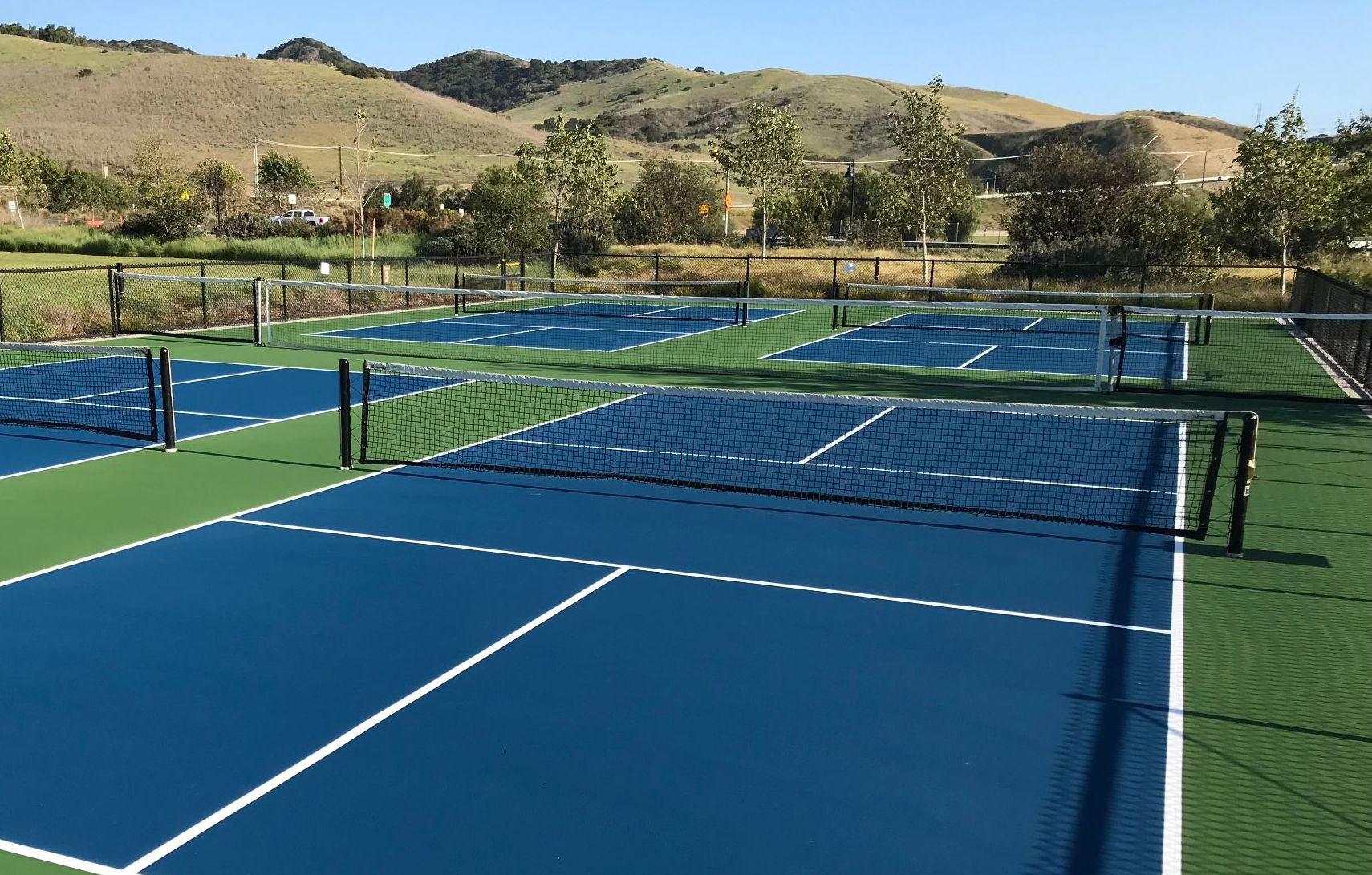
Pickleball court construction
Regulation 30 by 60 layouts and compact recreational sizes, textured acrylic or tile, wind-rated net posts and tournament striping.
Utah Sport Court Builder is a sport court builder in Lehi, Utah that designs, installs and resurfaces pickleball courts, basketball courts and multi-sport backyard courts for homes and businesses. Our team installs sport courts throughout Lehi, from the newer rooftops in Traverse Mountain to the established streets near Lehi Main Street and the older orchards on the west side.
Our Lehi work covers the whole build: elevation survey, subgrade testing, geotextile separation, compacted aggregate base, reinforced or post-tensioned slab, then cushioned acrylic or modular polypropylene tile with laser-set striping. Request a free written quote and every one of those steps shows up as a line item.
Lehi grew fast, and that changes how we build. Homes in newer subdivisions often sit on engineered fill placed during development. Fill can settle unevenly, so we probe the pad, check the depth of loose material, and design the base for the ground we actually find. On a hillside lot in Traverse Mountain, that may mean deeper footings on the downhill side and a short block wall to hold the pad square.
Yard sizes near Thanksgiving Point and the Silicon Slopes corridor tend to be modest, and side setbacks are tight. We solve that with layout. A 30 by 50 foot pad can hold a pickleball court with a basketball key painted at one end, using dual-color striping so the lines never confuse players. Where a fence would crowd the neighbor, we run a lower rear fence with a taller net panel behind the baseline only.
West Lehi ground near the Jordan River can be wet in spring. There we raise the pad slightly above the surrounding grade, add a perimeter drain tied to daylight, and slope the surface a true one percent so meltwater sheets off instead of ponding at the net line. Water sitting on acrylic is what makes a court slick and short-lived.
Because so many Lehi families both work and commute, we keep scheduling flexible. We can pour early, finish late, and text photo updates so you can follow the build from your desk. Lehi City permits fencing over six feet and any pole lighting, and we submit the plan set and site drawing on your behalf.
Lehi projects usually start as a pickleball or basketball court and grow into a full multi-sport pad with lighting once families see how much the space gets used.
Regulation 30 by 60 layouts and compact recreational sizes, textured acrylic or tile, wind-rated net posts and tournament striping.
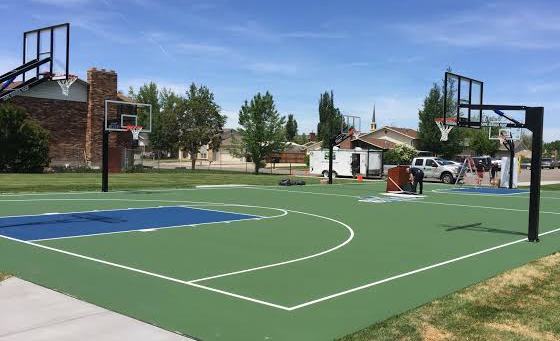
Half courts, full courts and driveway pads with adjustable goals on deep-set steel posts and scaled three-point arcs.
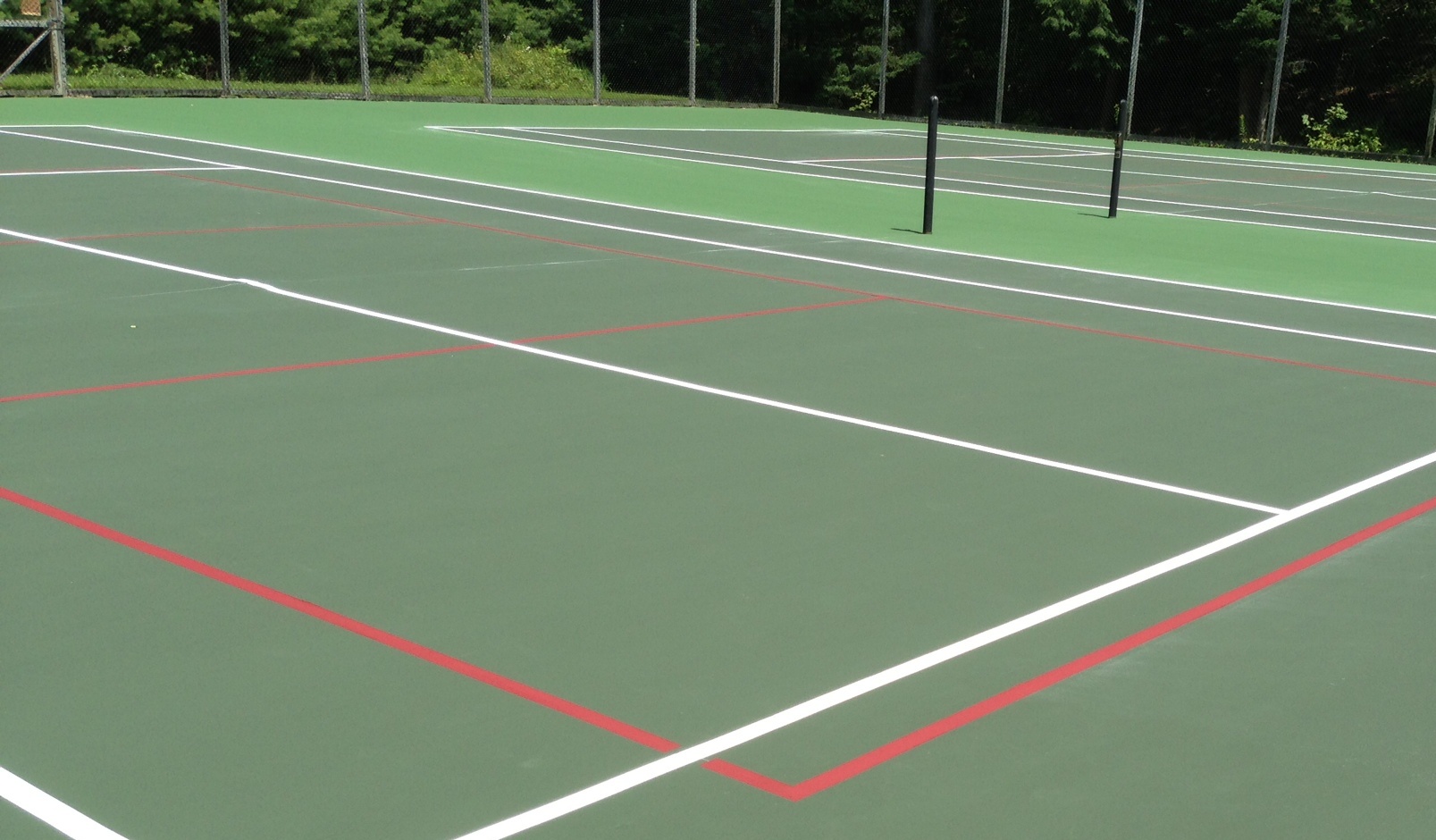
Regulation 60 by 120 pads, post-tensioned or reinforced slabs, acrylic color systems and deep-set net posts with wind reels.
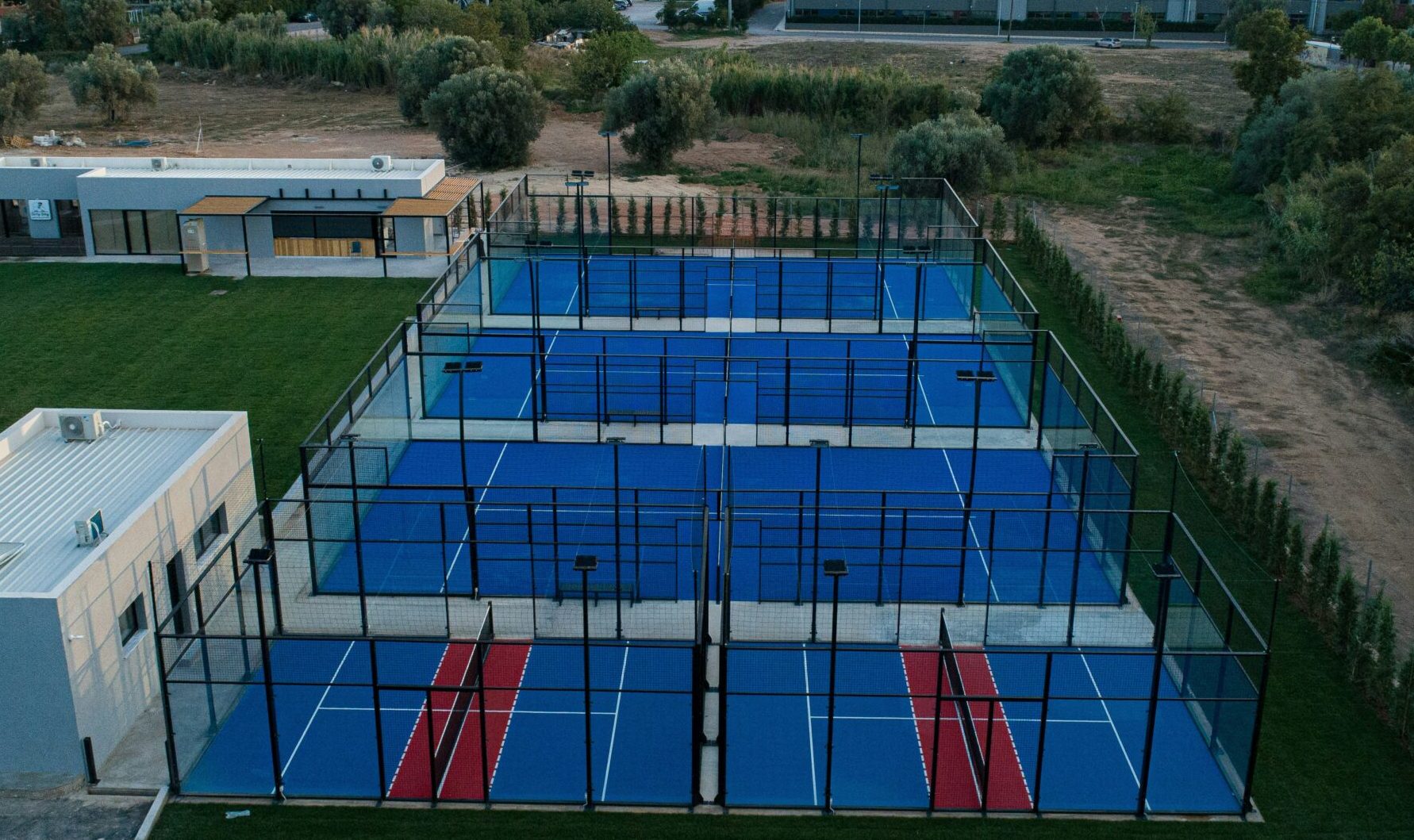
Regulation 20 by 10 meter enclosures with tempered glass walls, galvanized steel framing and sand-dressed turf on a dead-flat slab.
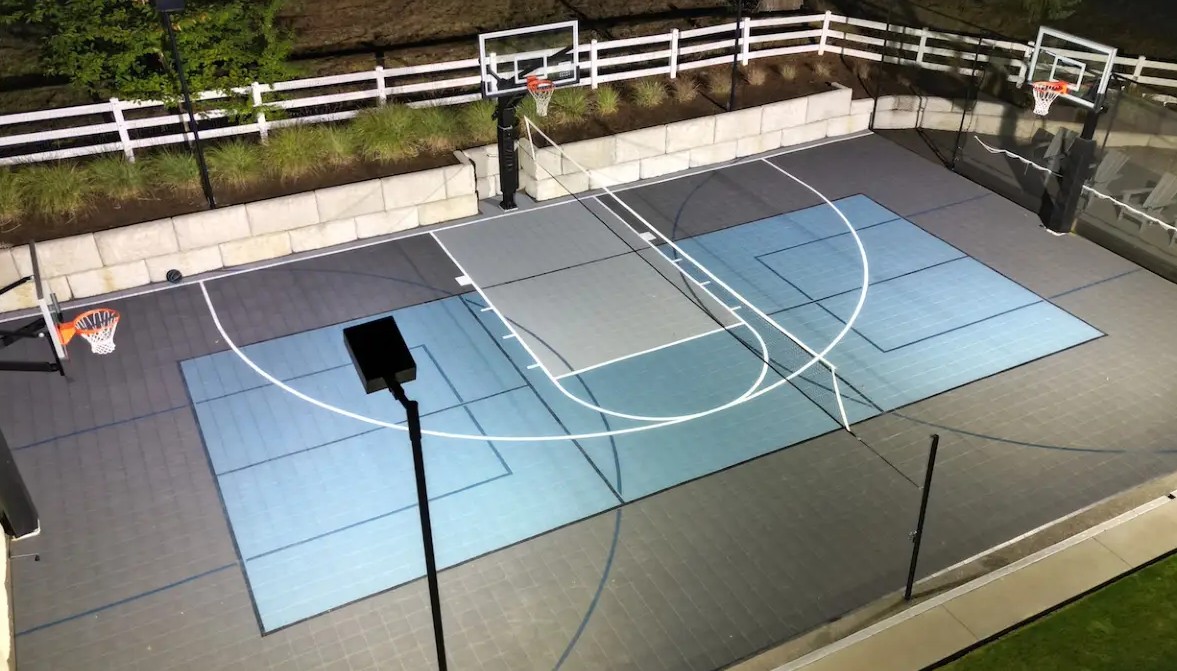
One pad striped for pickleball, basketball, volleyball and futsal, with flush cast-in sleeves for removable nets.
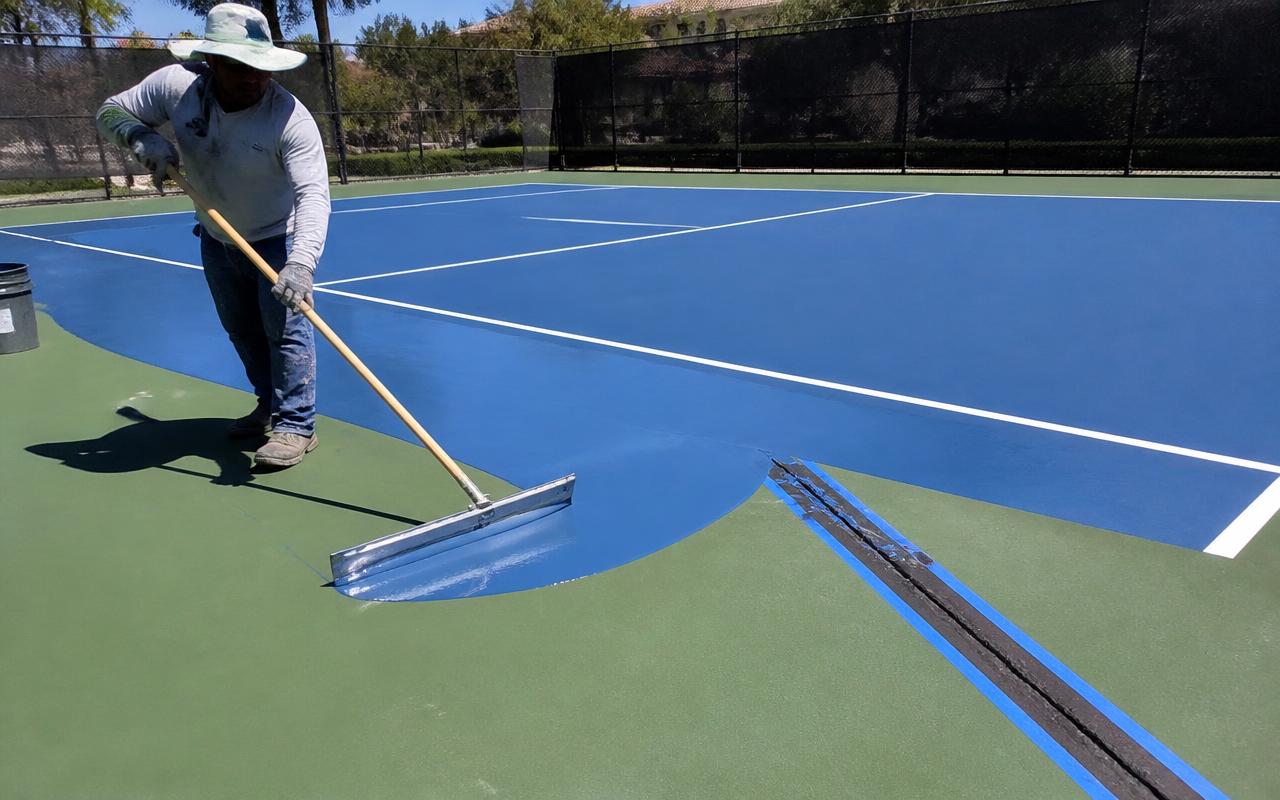
Crack routing, polymer patching, birdbath leveling, new acrylic color coats and fresh laser-set lines.
New Lehi subdivisions need extra care. We probe and design the base for the pad in front of us, not a generic spec.
Dual-striped courts and smart fencing let you fit real play area into a modern Lehi side yard.
You see progress from your phone, which matters when the whole family is out of the house all day.
Fresh subdivisions around Traverse Mountain and Thanksgiving Point often sit on engineered fill that has not fully settled. We probe the pad area and compact in tested lifts so the slab is not riding on loose backfill.
Most do with an approved plan. Lehi boards focus on fence height, court color and light spill, so we hand you a site plan and color and fixture selections in the format the architectural committee expects.
Expect $35,000 to $80,000 in Lehi. Traverse Mountain hillside lots need deeper footings and sometimes a block wall, while flatter lots near Lehi Main Street usually price lower.
It can settle unevenly, so we probe the pad, measure how deep the loose material goes, and design the base for the ground we actually find rather than assuming.
Usually. A 30 by 50 foot pad holds pickleball with a basketball key at one end, using dual-color striping so lines stay easy to read even in tight side yards.
No, it just needs planning. Near the Jordan River we raise the pad slightly above grade, add a perimeter drain to daylight, and hold a true one percent slope so meltwater sheets off.