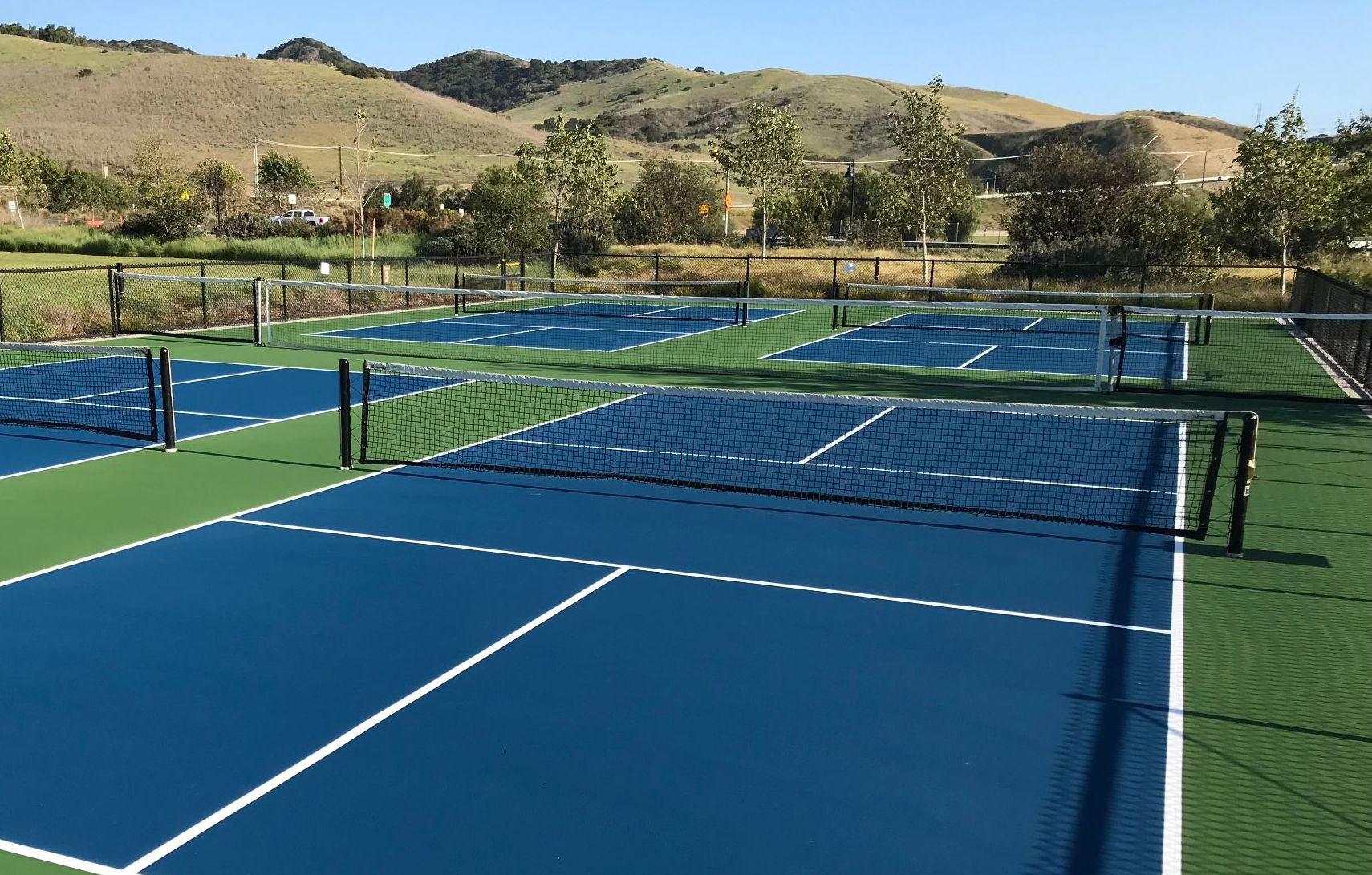
Pickleball court construction
Regulation 30 by 60 layouts and compact recreational sizes, textured acrylic or tile, wind-rated net posts and tournament striping.
Utah Sport Court Builder is a sport court builder in Wallsburg, Utah that designs, installs and resurfaces pickleball courts, basketball courts and multi-sport backyard courts for homes and businesses. Our team builds mountain-valley courts in Wallsburg, the quiet Wasatch County community in Round Valley just off Highway 189 between Provo Canyon and Deer Creek Reservoir.
Our Wallsburg work covers the whole build: elevation survey, subgrade testing, geotextile separation, compacted aggregate base, reinforced or post-tensioned slab, then cushioned acrylic or modular polypropylene tile with laser-set striping. Request a free written quote and every one of those steps shows up as a line item.
Wallsburg sits around 5,600 feet in a ring of hills, and the valley holds cold air at night. That means a shorter construction season than the valley floor and a real need for frost-depth footings. We schedule Wallsburg work from late spring through early fall so concrete and coatings both cure under the right temperatures.
Many properties here are working acreage with pasture, hay ground and livestock. We fence court perimeters with attention to animals as well as balls, and we keep the construction corridor clear of gates and feed routes so daily chores continue while we build. A little coordination up front keeps a three-week project from becoming a headache.
Ground in Round Valley varies from rocky bench to soft creek-bottom soil in a short distance. On the softer parcels near Main Creek we over-excavate, place geotextile, and build a thicker base. On the rocky benches we can often use the native material as part of the structural section after screening, which cuts the import cost.
Wallsburg is about thirty-five minutes from Provo up the canyon, and our crews know the route in every season. Wasatch County handles permitting for the area, and we prepare the site plan, setback details and any lighting information they need so approvals do not stall your build.
Wallsburg courts are built for a mountain valley: frost-depth footings, screened native base where it works, and cold-tolerant surfacing.
Regulation 30 by 60 layouts and compact recreational sizes, textured acrylic or tile, wind-rated net posts and tournament striping.
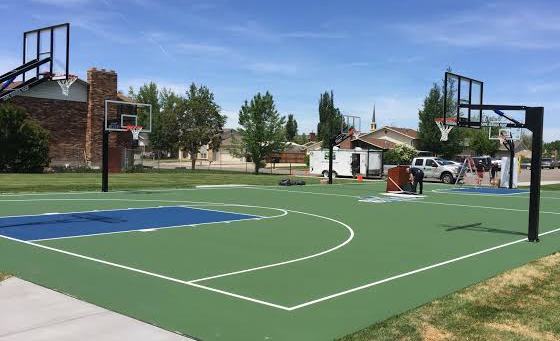
Half courts, full courts and driveway pads with adjustable goals on deep-set steel posts and scaled three-point arcs.
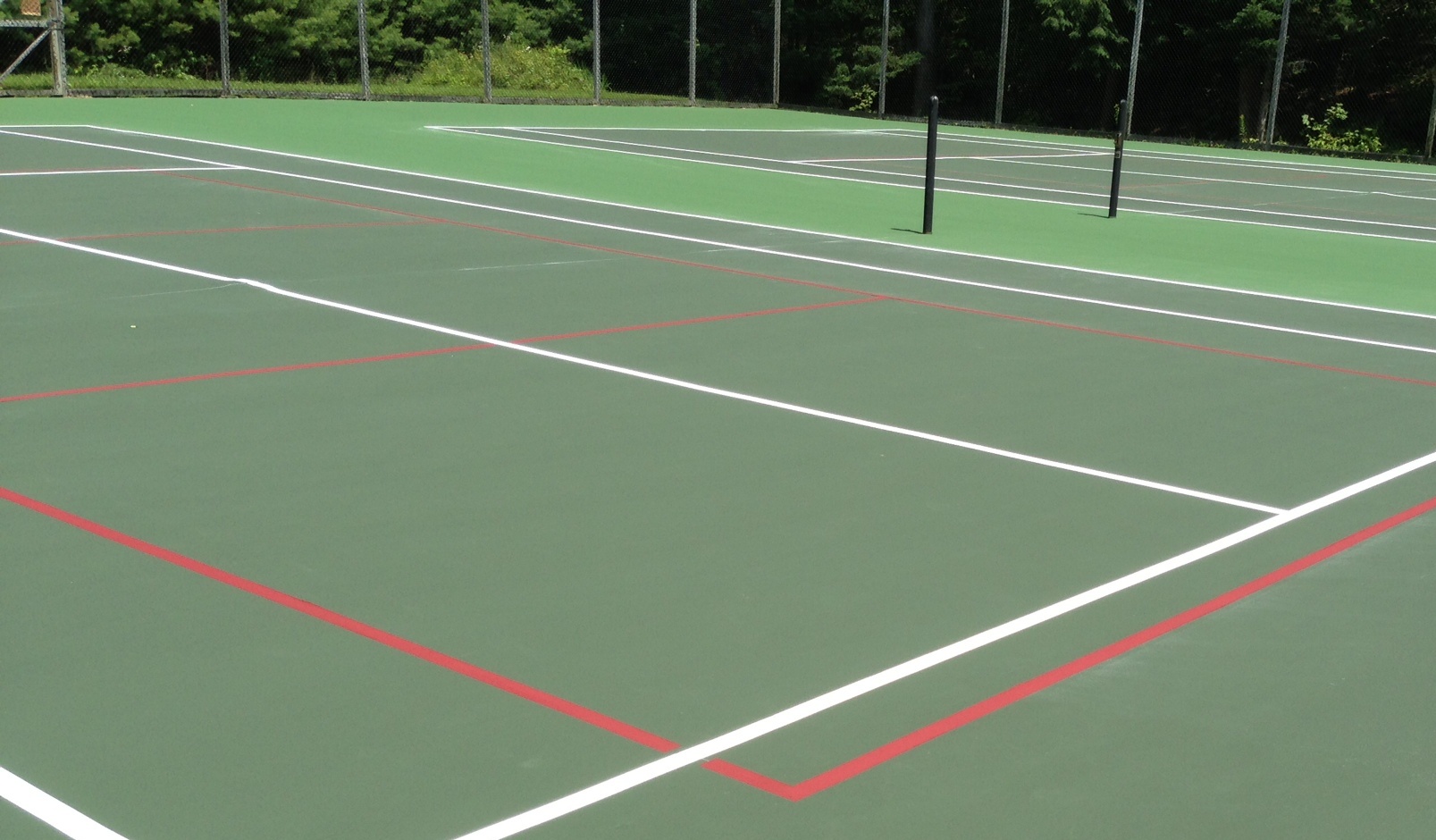
Regulation 60 by 120 pads, post-tensioned or reinforced slabs, acrylic color systems and deep-set net posts with wind reels.
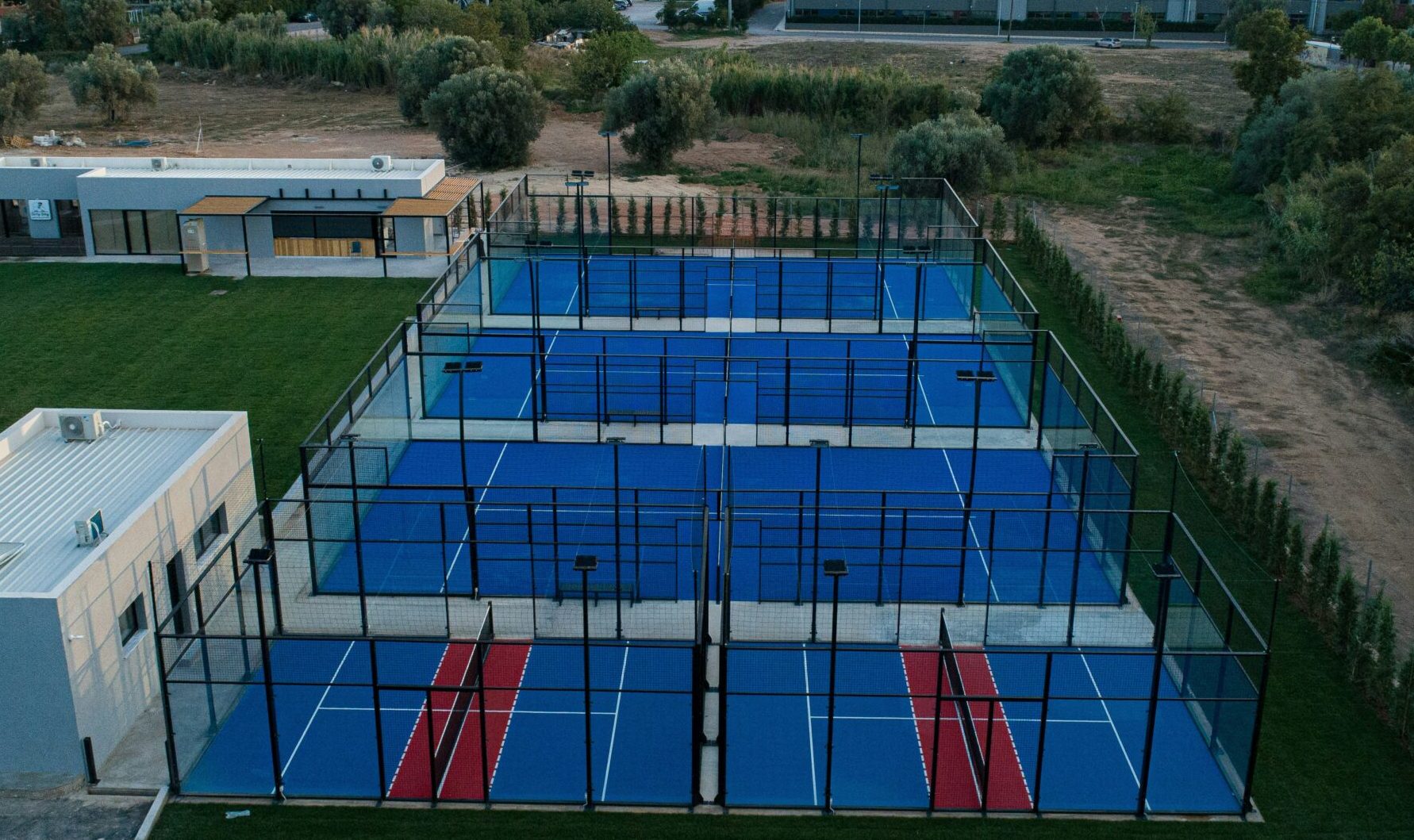
Regulation 20 by 10 meter enclosures with tempered glass walls, galvanized steel framing and sand-dressed turf on a dead-flat slab.
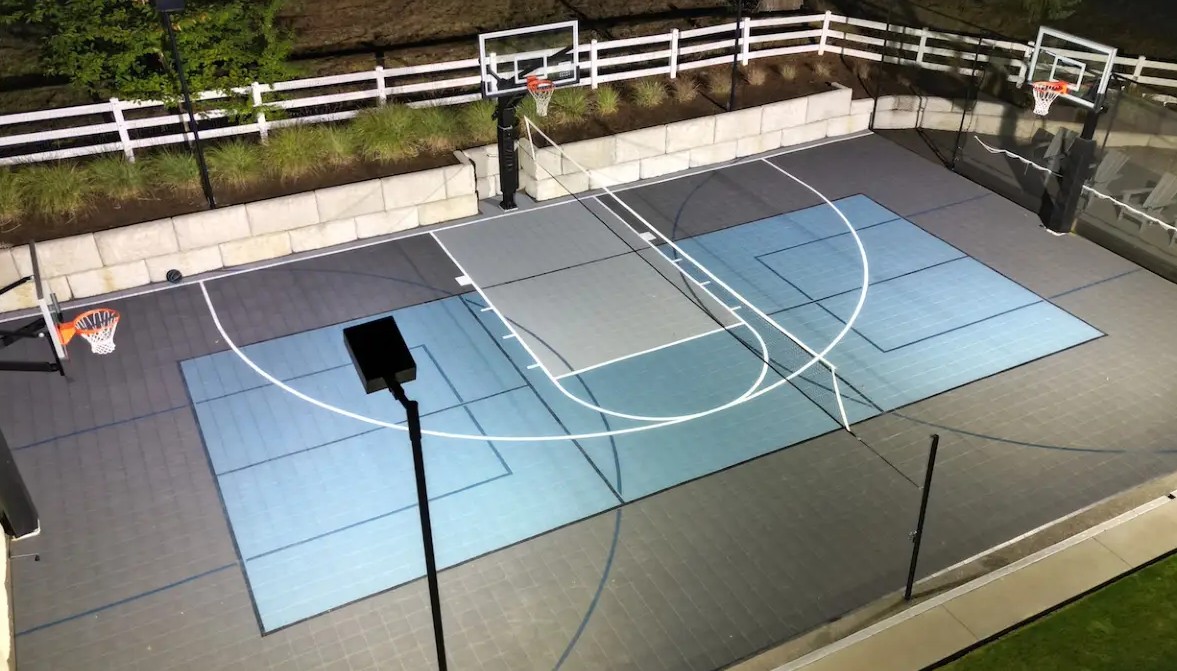
One pad striped for pickleball, basketball, volleyball and futsal, with flush cast-in sleeves for removable nets.
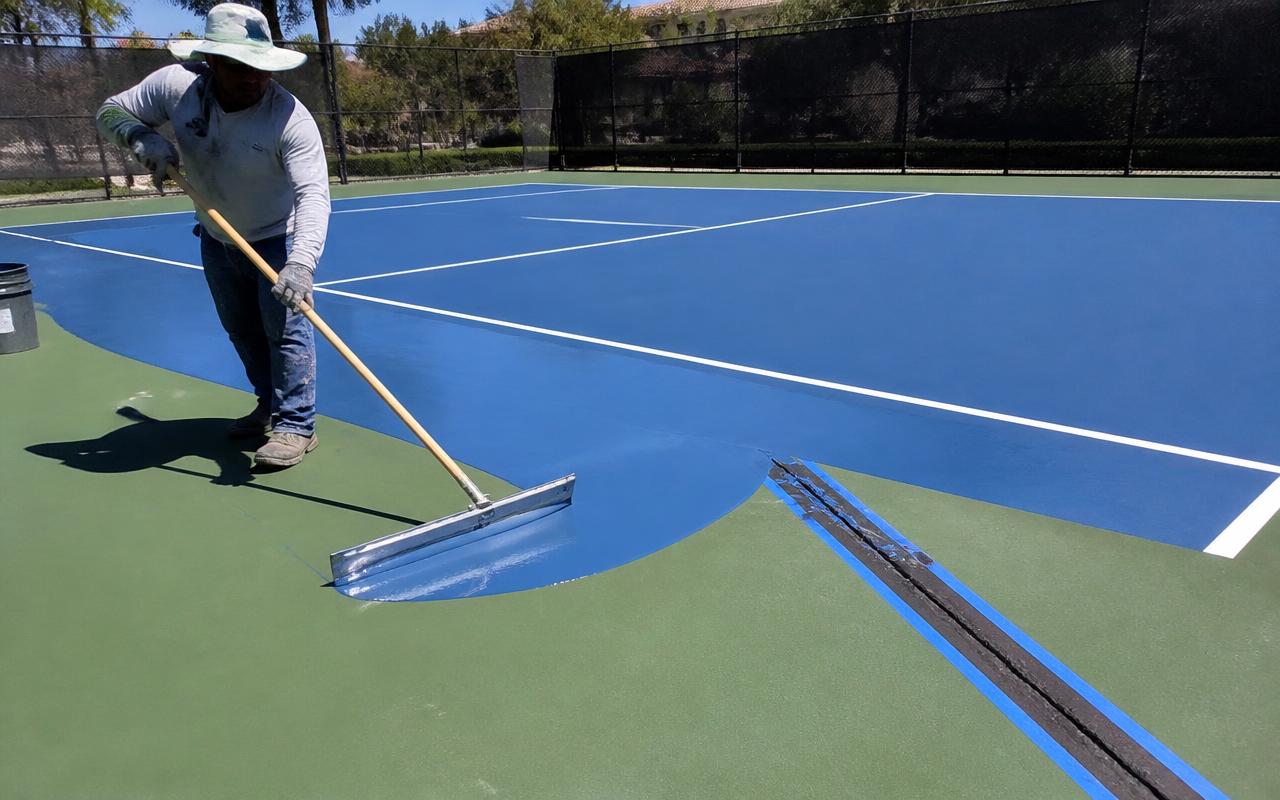
Crack routing, polymer patching, birdbath leveling, new acrylic color coats and fresh laser-set lines.
We build inside the weather window so nothing cures in the cold.
Gates, feed routes and livestock planned around from day one.
Where the ground allows, we screen and reuse rock instead of importing every load.
We do. Wallsburg is a short run over from Heber, and the large rural lots there give crews room to work, which keeps equipment staging simple.
Cold nights and heavy snow favor modular tile or a heavier-textured acrylic system. We also finish coating early in the season so the surface fully cures before the weather turns.
Wallsburg courts generally run $32,000 to $75,000. Mountain-valley access and colder weather detailing add some cost compared with a Provo or Orem build.
Modular tile is the safe pick. It drains right away, moves with freeze and thaw, and can be installed later in the season than any acrylic coating system.
Yes. We strip soft organic material, cut a level bench, deepen footings on the low side, and route snowmelt around the pad with drains so water never sits under it.
It is. We build across Wasatch County, and Wallsburg jobs are scheduled with Park City work so the crew and materials arrive on the same trips.