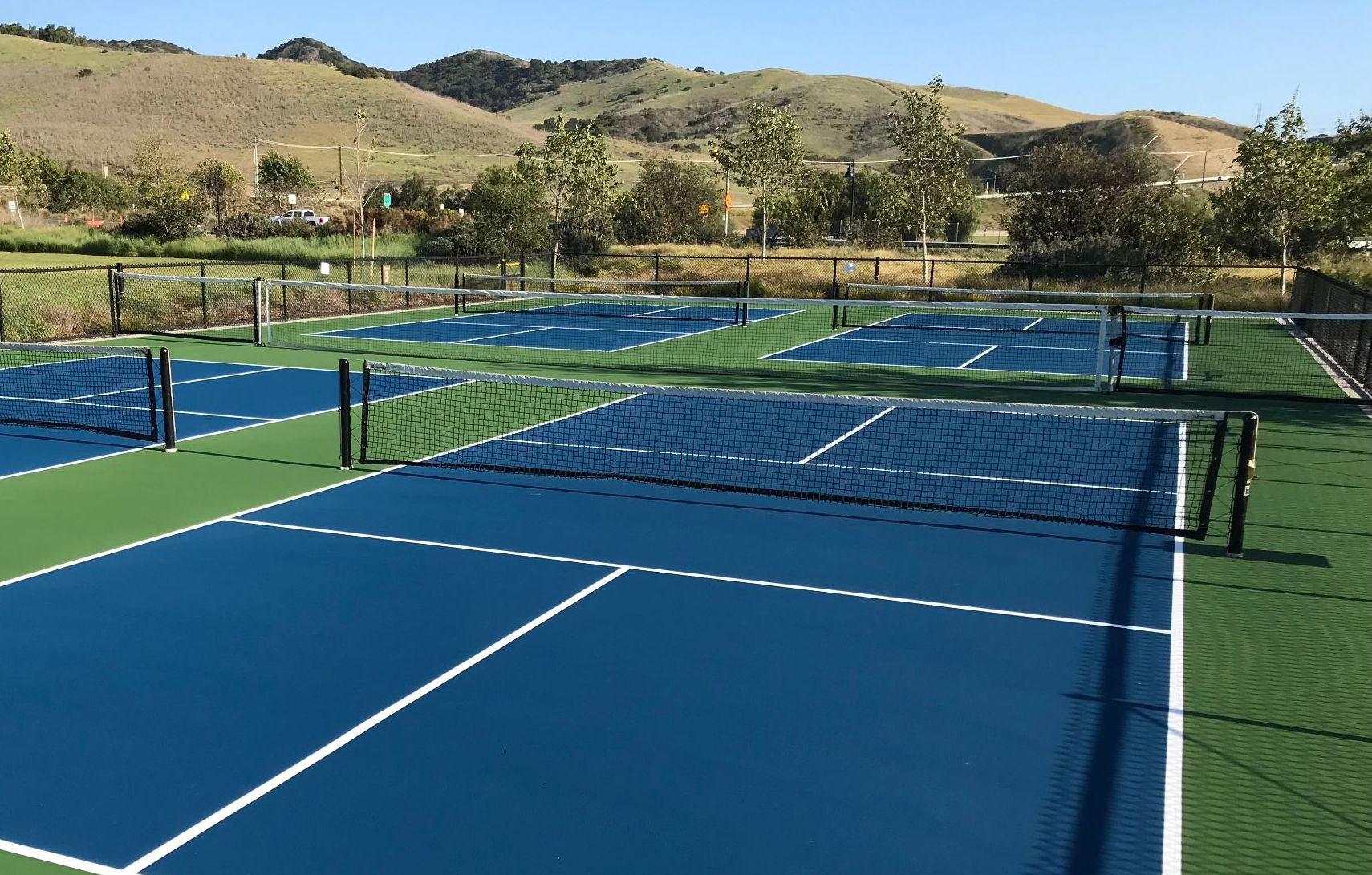
Pickleball court construction
Regulation 30 by 60 layouts and compact recreational sizes, textured acrylic or tile, wind-rated net posts and tournament striping.
Utah Sport Court Builder is a sport court builder in Heber City, Utah that designs, installs and resurfaces pickleball courts, basketball courts and multi-sport backyard courts for homes and businesses. Our team builds mountain-valley courts in Heber City, serving Midway-side neighborhoods, the streets around Main Street, and the larger acreages spreading toward Jordanelle and Deer Creek.
Our Heber City work covers the whole build: elevation survey, subgrade testing, geotextile separation, compacted aggregate base, reinforced or post-tensioned slab, then cushioned acrylic or modular polypropylene tile with laser-set striping. Request a free written quote and every one of those steps shows up as a line item.
Heber sits above 5,500 feet in the Heber Valley, and elevation drives every decision we make here. The construction season is shorter, frost depth is deeper, and night temperatures drop fast even in early fall. We set footings below frost depth, schedule concrete and acrylic work inside the warm window, and use modular tile when a homeowner wants a court finished later in the year.
Valley ground varies quickly. Parcels near the Provo River and the old pasture land hold soft, moist soil that needs over-excavation, geotextile separation and a thicker aggregate section. Benches climbing toward Jordanelle carry rock and glacial material that drains well and can often be screened and reused as structural base, which lowers the import cost on a large pad.
Lots here are big, so we design for full-size play. A 30 by 60 pickleball pad, a 34 by 50 basketball area, or a combined multi-sport court all fit comfortably on most Heber acreages. We orient courts to cut afternoon glare off the surrounding ridges and set fencing that handles valley wind without blocking the mountain views people moved here for.
Wasatch County handles permitting for most Heber City area work, and we prepare the site plan, setback details and lighting information so approvals stay on schedule. Our crews run the canyon from Provo in about forty minutes and know the route in every season, so we work full days on site instead of losing hours to the drive. Snow removal and winter care instructions come with every finished court.
Heber City courts are engineered for altitude: frost-depth footings, cold-tolerant surfacing, screened native base where the ground allows, and full-size layouts.
Regulation 30 by 60 layouts and compact recreational sizes, textured acrylic or tile, wind-rated net posts and tournament striping.
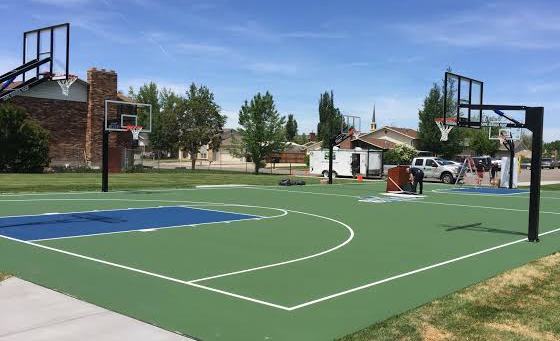
Half courts, full courts and driveway pads with adjustable goals on deep-set steel posts and scaled three-point arcs.
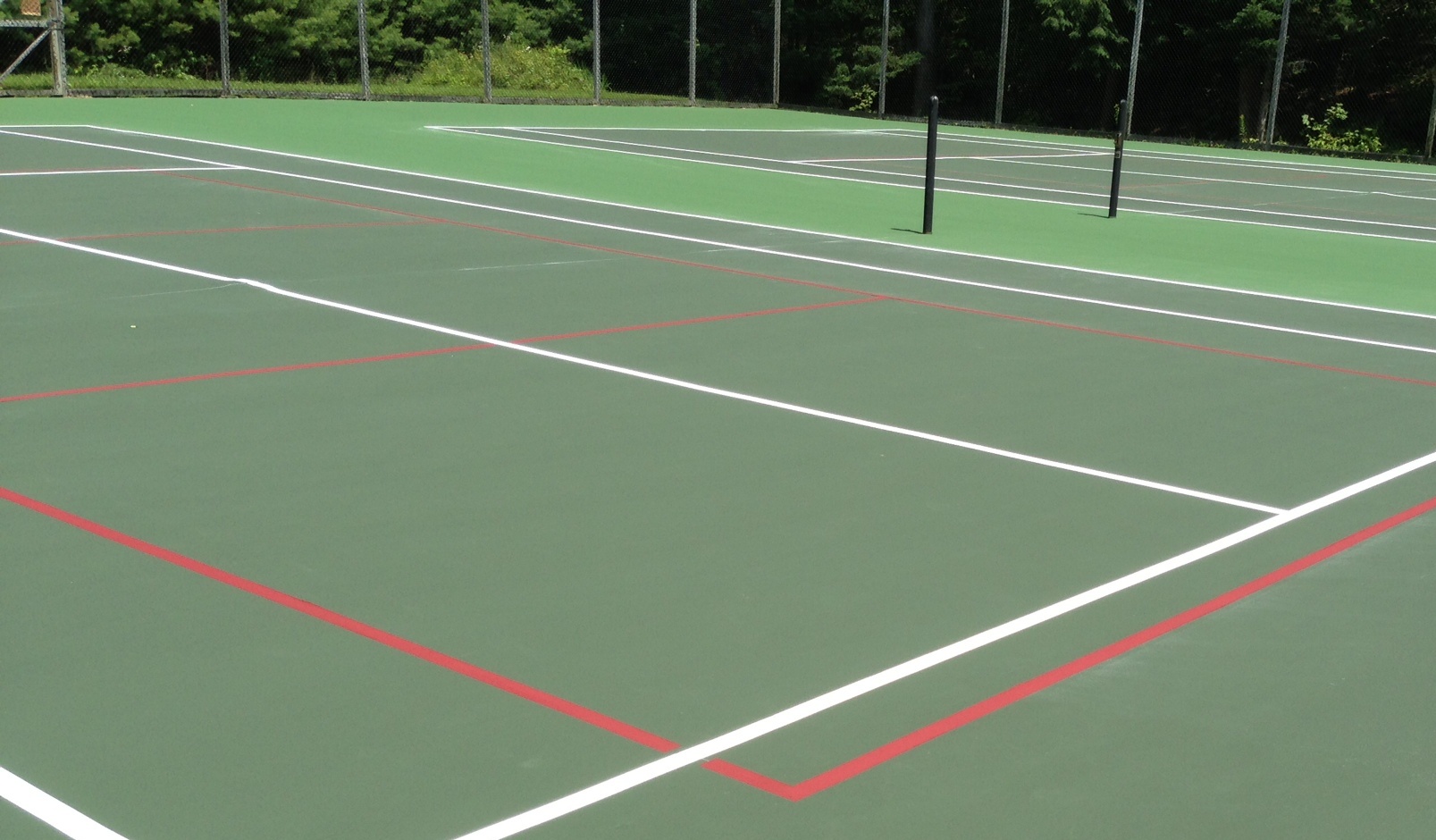
Regulation 60 by 120 pads, post-tensioned or reinforced slabs, acrylic color systems and deep-set net posts with wind reels.
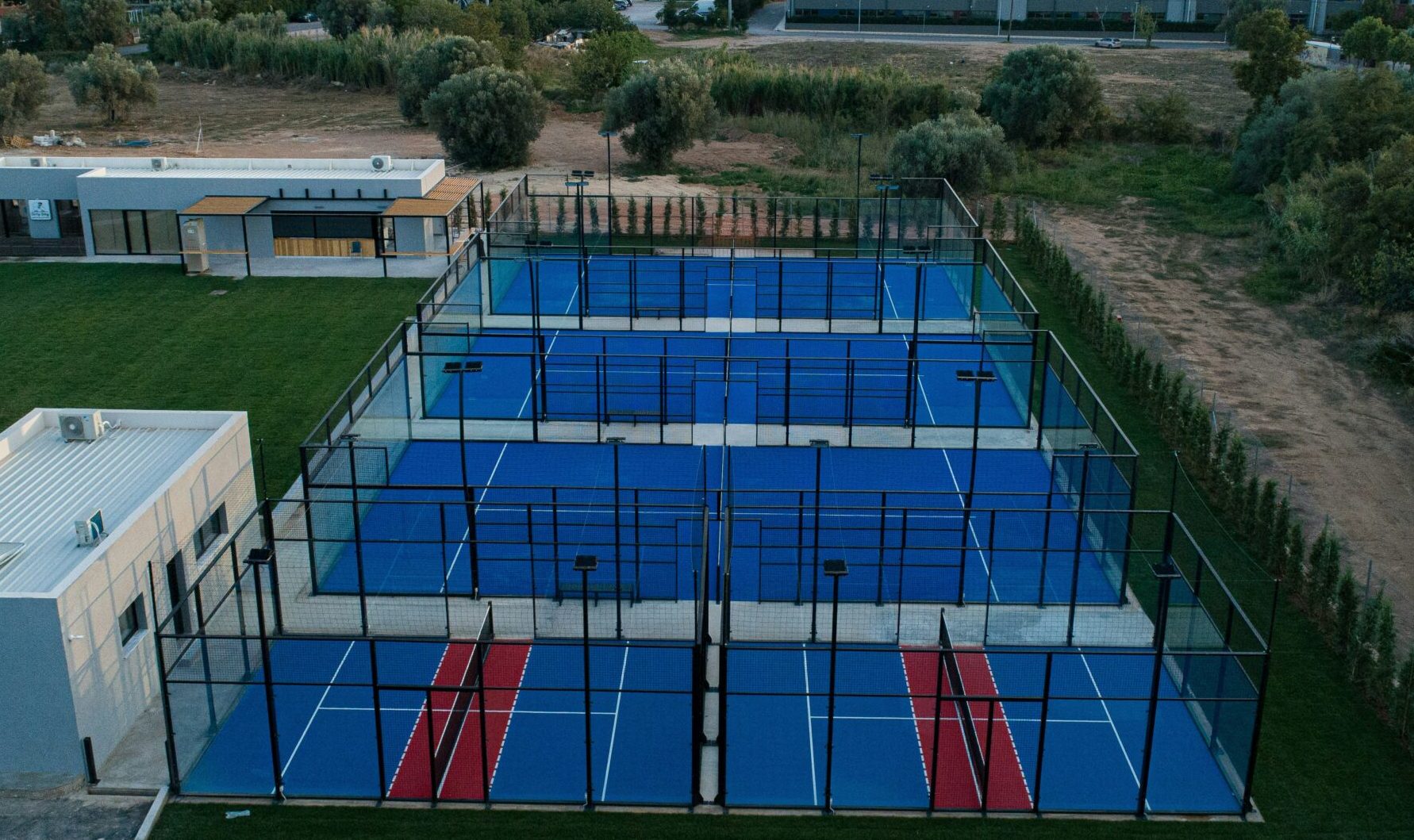
Regulation 20 by 10 meter enclosures with tempered glass walls, galvanized steel framing and sand-dressed turf on a dead-flat slab.
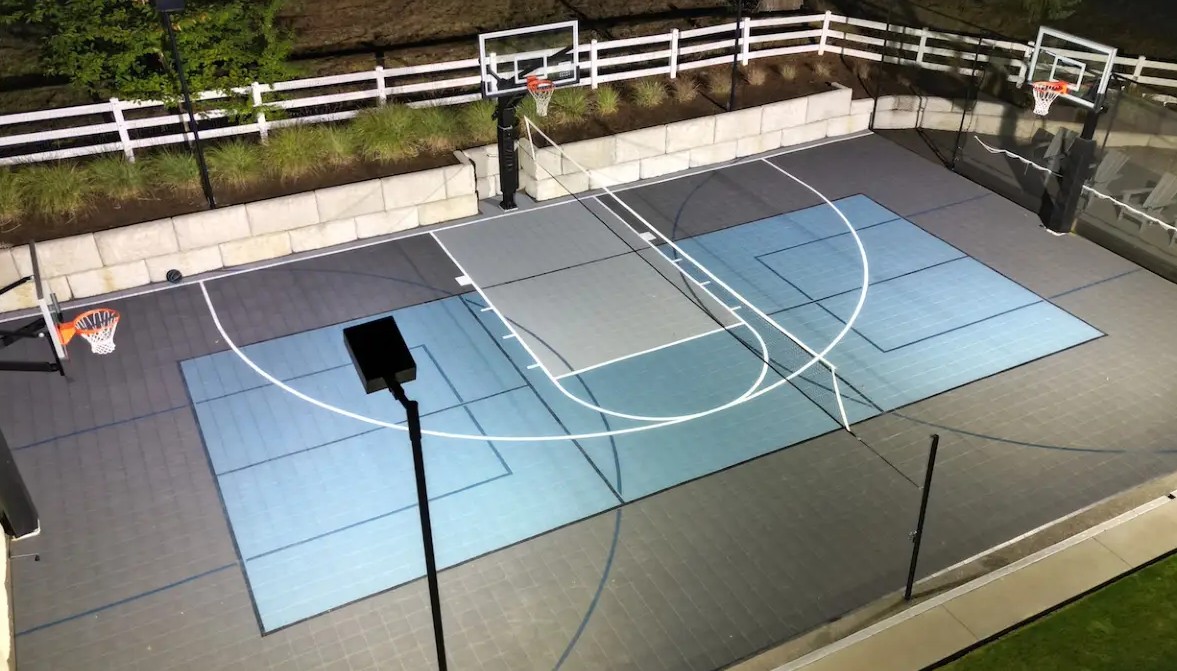
One pad striped for pickleball, basketball, volleyball and futsal, with flush cast-in sleeves for removable nets.
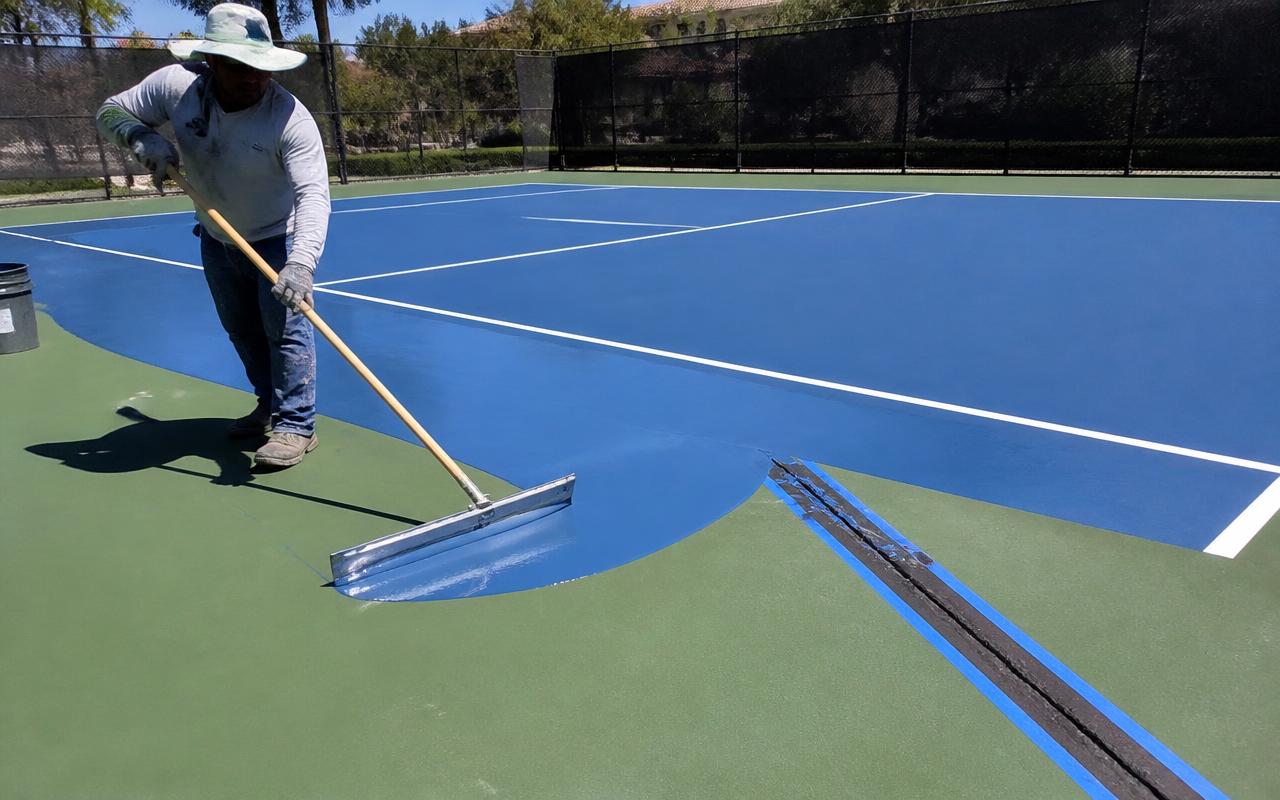
Crack routing, polymer patching, birdbath leveling, new acrylic color coats and fresh laser-set lines.
Concrete and coatings placed inside the real weather window, never rushed into cold.
Footings and base sections designed for Heber Valley winters.
Acreage used for proper run-off room and glare-smart orientation.
Very. Large valley lots around Midway Lane and Red Ledges have plenty of level ground, and families get strong summer use even though the season is shorter than down in Utah County.
Some valley ground holds water close to the surface. We check moisture, add drain rock and fabric under the base, and slope the pad so the slab never sits in saturated soil.
Heber courts generally run $40,000 to $90,000. Deeper frost footings and a shorter build season add cost, though screened native rock can lower base material pricing.
Yes. Footings go below frost depth, and concrete and acrylic work is scheduled inside the warm window so nothing cures in cold temperatures.
Modular tile can, since it does not need warm curing temperatures. Acrylic systems need surface temperatures above 50 degrees and a dry window.
Wasatch County handles most permitting in the area. We prepare the site plan, setback details and lighting information for the application.
Clear snow with a rubber-edged blade or blower, never a steel edge or salt. We include written care instructions at the final walkthrough.