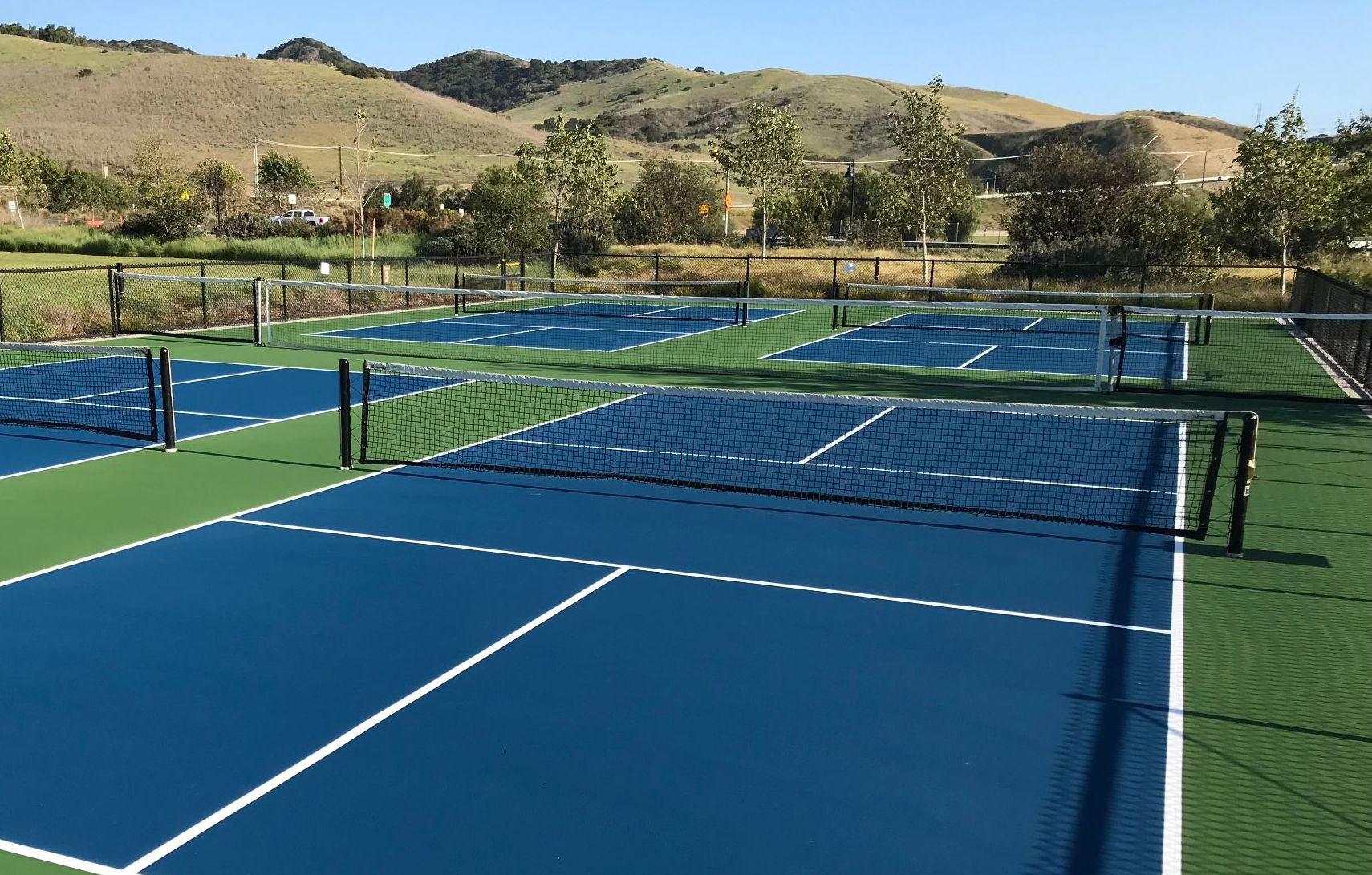
Pickleball court construction
Regulation 30 by 60 layouts and compact recreational sizes, textured acrylic or tile, wind-rated net posts and tournament striping.
Utah Sport Court Builder is a sport court builder in Springville, Utah that designs, installs and resurfaces pickleball courts, basketball courts and multi-sport backyard courts for homes and businesses. Our team builds and resurfaces courts in Springville, working across the historic streets near the Springville Museum of Art and the newer hillside homes climbing toward Hobble Creek Canyon.
Our Springville work covers the whole build: elevation survey, subgrade testing, geotextile separation, compacted aggregate base, reinforced or post-tensioned slab, then cushioned acrylic or modular polypropylene tile with laser-set striping. Request a free written quote and every one of those steps shows up as a line item.
Hillside lots on the east side make for beautiful courts and demanding site work. Where a yard falls more than two feet across the court footprint, we design a cut-and-fill pad with a segmental block or poured wall on the low side, then compact the fill in 8-inch lifts. Done right, the court looks like it was always part of the hill.
Downtown Springville lots are smaller and often shaded by tall, mature trees. Shade is comfortable, but leaf litter and sap can stain acrylic and make a surface slippery. On those properties we recommend modular polypropylene tile, which lets debris and water pass through and rinses clean with a hose in ten minutes.
Hobble Creek runs cold and the canyon breathes cool air down into town at night, so Springville courts stay comfortable later into a summer evening than courts up on the valley floor. That makes lighting a smart upgrade here. We use 5000K LED fixtures on 18 to 20 foot poles with shielded optics that put light on the court and keep it out of your neighbor's bedroom window.
Springville City reviews accessory structures, fence height and exterior lighting. We prepare the site plan and elevation details, submit them, and manage the inspection so the schedule holds. Most Springville builds run three to four weeks from excavation to first game, depending on concrete cure time.
Springville work includes new construction on sloped lots, tile courts under mature trees, and resurfacing older concrete that has weathered a few decades.
Regulation 30 by 60 layouts and compact recreational sizes, textured acrylic or tile, wind-rated net posts and tournament striping.
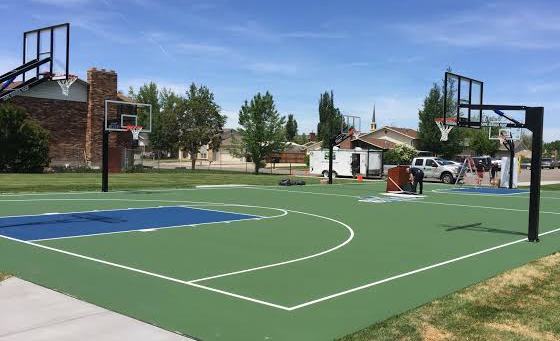
Half courts, full courts and driveway pads with adjustable goals on deep-set steel posts and scaled three-point arcs.
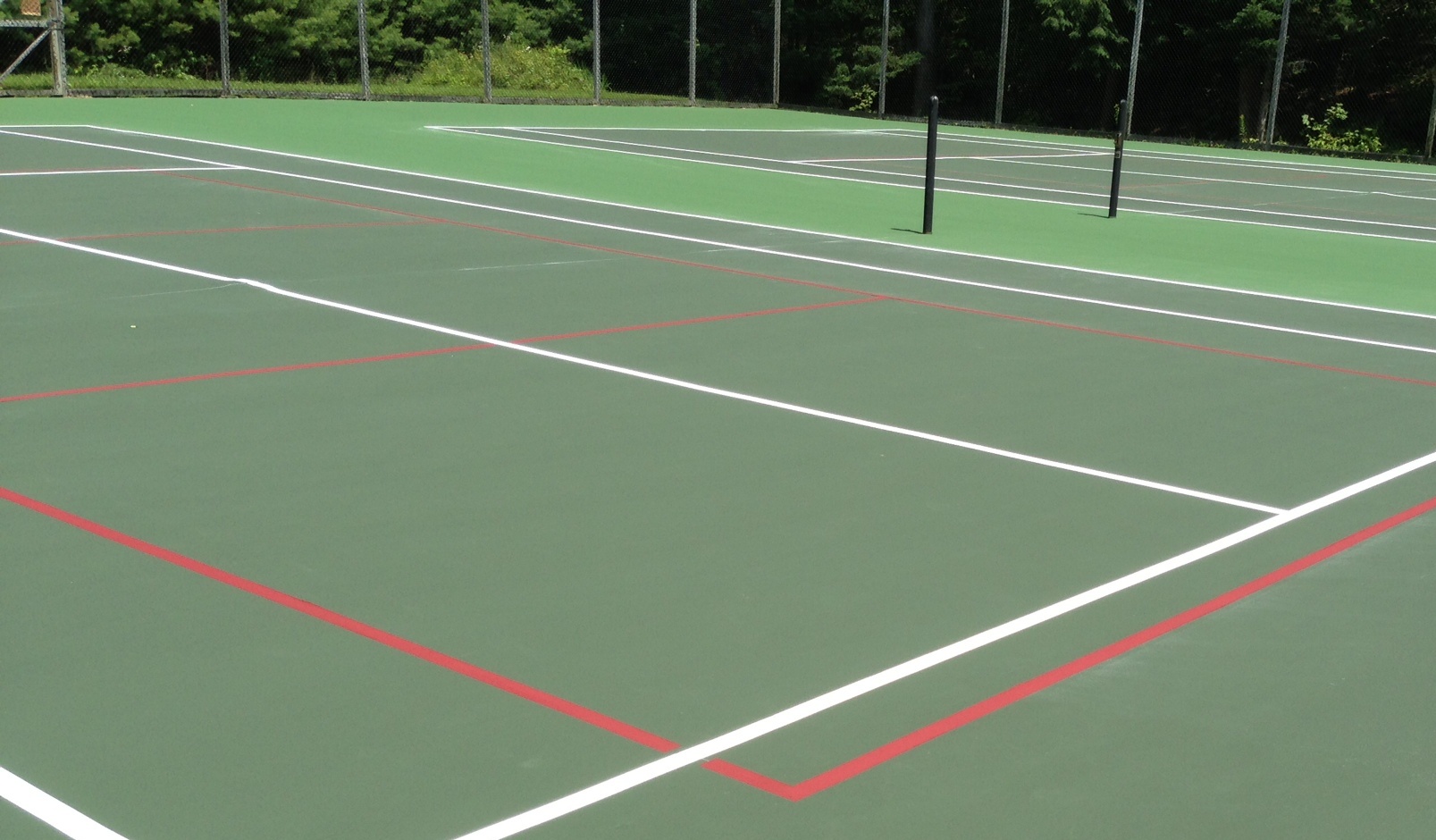
Regulation 60 by 120 pads, post-tensioned or reinforced slabs, acrylic color systems and deep-set net posts with wind reels.
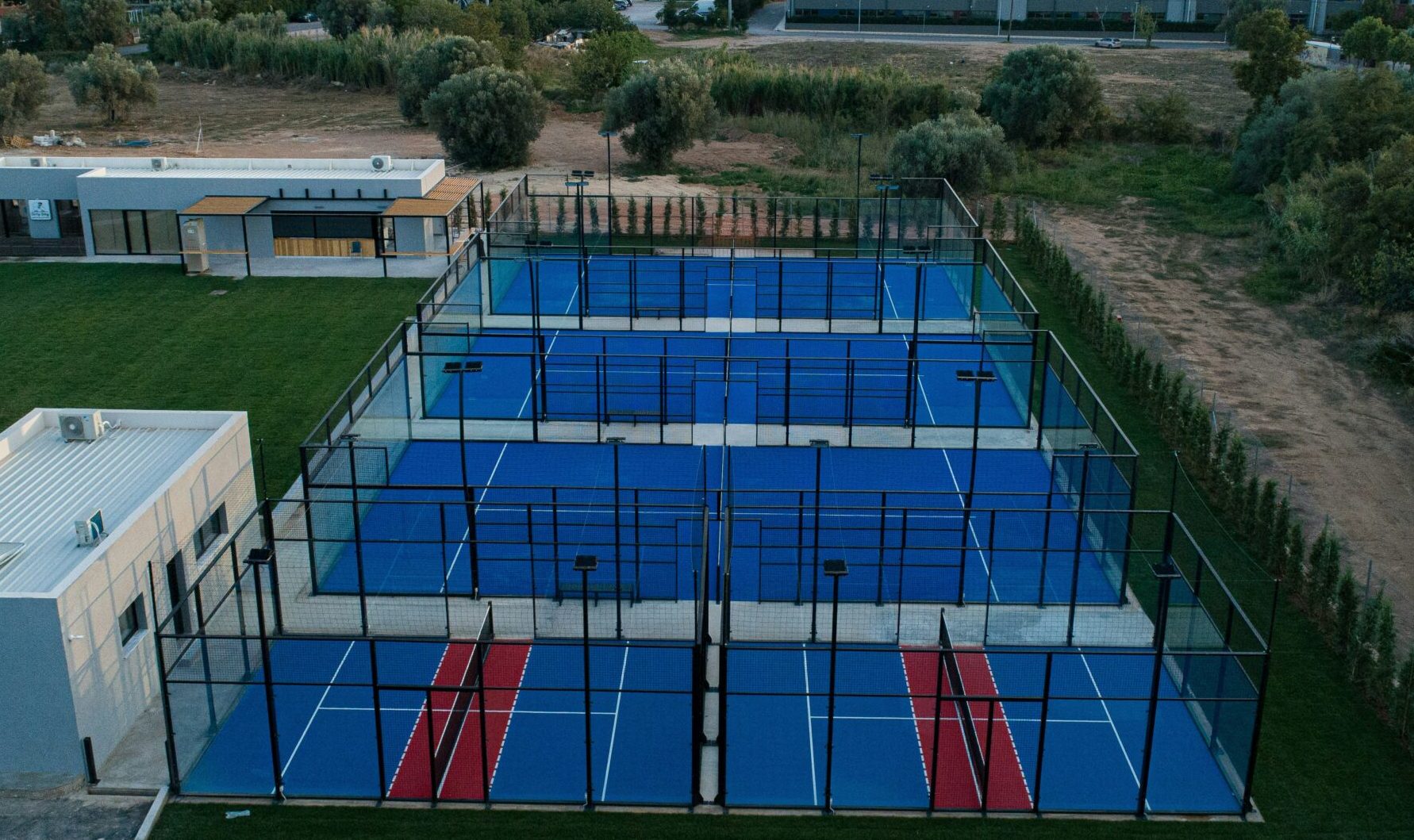
Regulation 20 by 10 meter enclosures with tempered glass walls, galvanized steel framing and sand-dressed turf on a dead-flat slab.
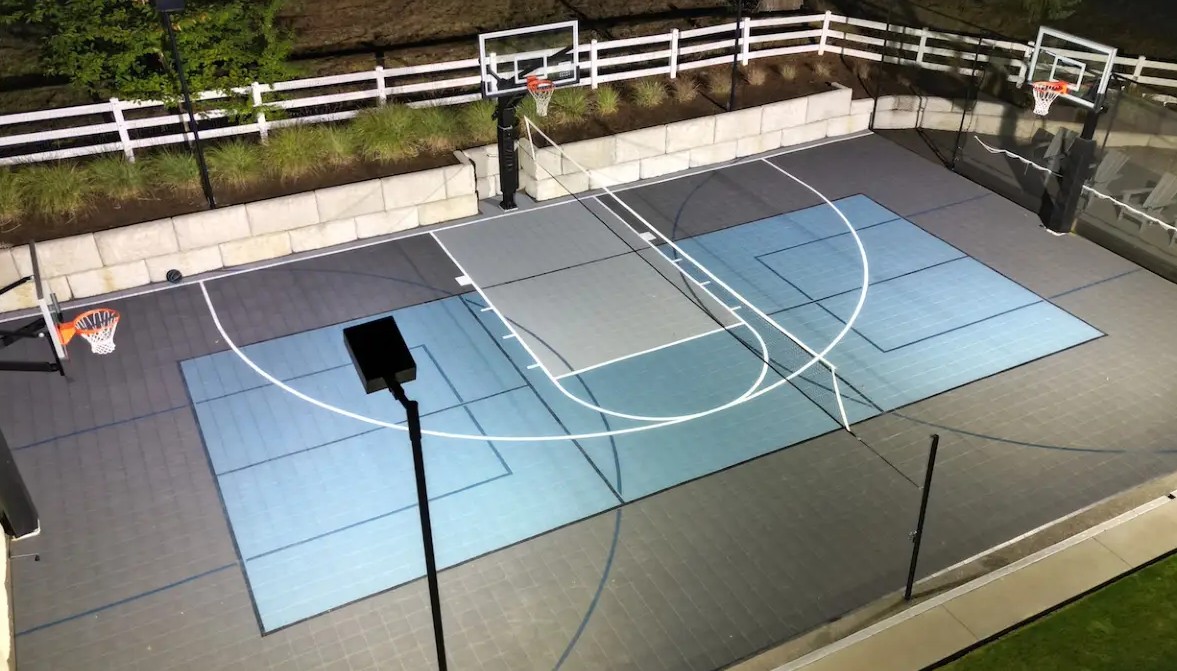
One pad striped for pickleball, basketball, volleyball and futsal, with flush cast-in sleeves for removable nets.
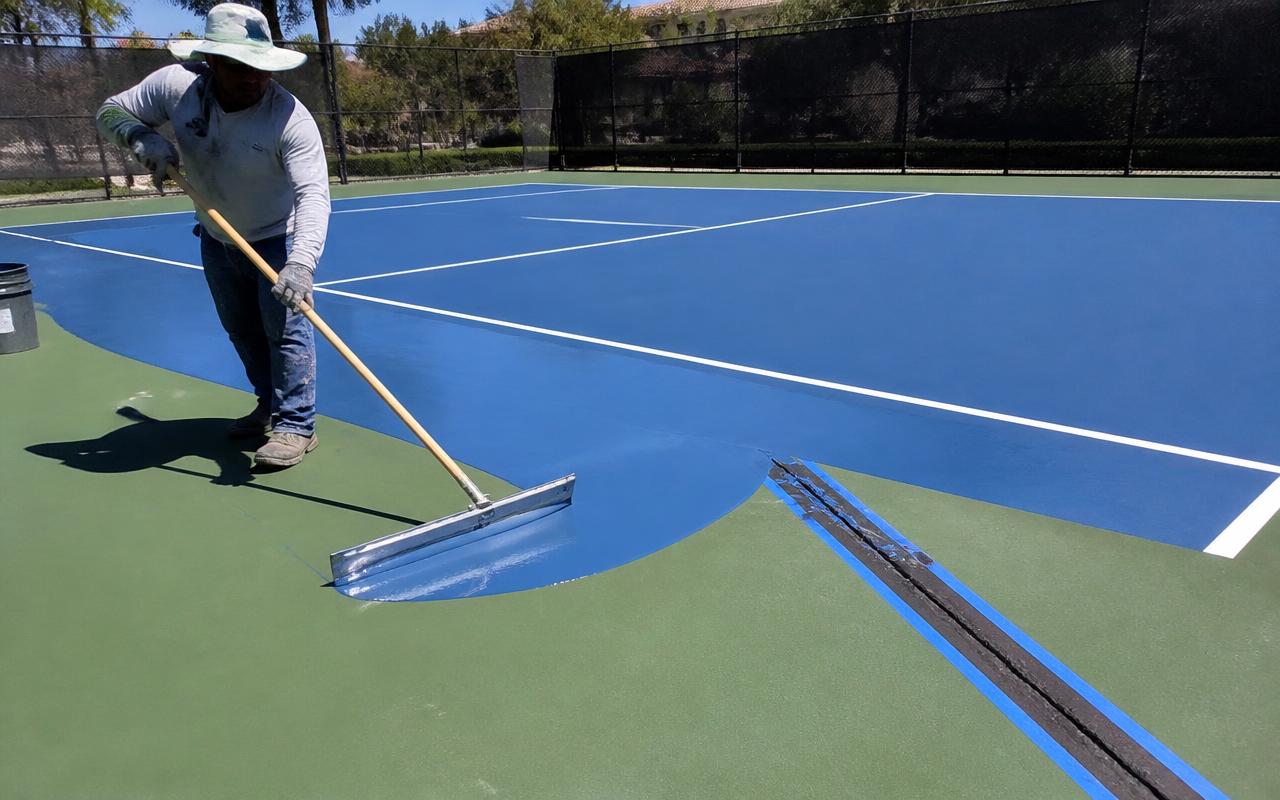
Crack routing, polymer patching, birdbath leveling, new acrylic color coats and fresh laser-set lines.
Engineered cut-and-fill with proper lifts and a real retaining wall, not dumped dirt.
Perforated tile drains leaf litter and rain, staying grippy under big trees.
Shielded LED optics light the court and nothing else.
Yes. Mature yards near Hobble Creek often need selective root removal and a shifted pad so shade does not keep the surface damp. Modular tile is a good fit under heavy tree cover.
Four to eight weeks in peak season. Springville projects usually pair excavation early in the window with surfacing at the end, so booking early gets you playing the same summer.
Springville courts generally run $31,000 to $70,000. Sloped lots toward the east bench cost more because the pad has to be cut, filled and held square with footings or a wall.
No, if it is planned. We slope the surface a true one percent, keep water moving away from the house, and add a perimeter drain where the ground is flat or holds water.
Three to four weeks on site in normal weather: excavation and compacted base, the slab pour with a controlled cure, then surfacing once moisture readings allow it.
Yes. Every court comes with a written surface and workmanship warranty, plus care instructions and a final walkthrough punch list before we call the job finished.